 OncologyCare
OncologyCare — Patient Pathway
What brings you
here today?
There's no wrong answer. Your response shapes which oncologists we introduce you to and what your first appointment looks like.
No account required · Takes 3 minutes · Receive your matched care team by email
The first
conversation
Before any scan is ordered or any treatment discussed, you sit across from an oncologist who has read everything about your case and has time — actual time — to walk through what they see and what they recommend.
Medical history review
Nurse navigator intake, 30 min
Oncologist evaluation
Face-to-face, 60 min
Written visit summary
Sent within 2 hours
Care coordinator assigned
Direct line, same day
Nurse navigator available now
Speak with someone in under 2 minutes
Questions patients ask us most
"What should I bring to my first appointment?"
Your referral letter, any imaging CDs or reports you have, a list of current medications, and one person who can listen with you. We send a preparation checklist 48 hours before.
"How long does the first visit take?"
Plan for 90 minutes. The first 30 are with a nurse navigator who maps your history. The remaining hour is face-to-face with your oncologist — no rushing, no clock-watching.
"Will I leave with a plan?"
You'll leave with a written summary of what was discussed, what tests are ordered next, and a direct line to your care coordinator. We don't send people home with questions unanswered.

48h
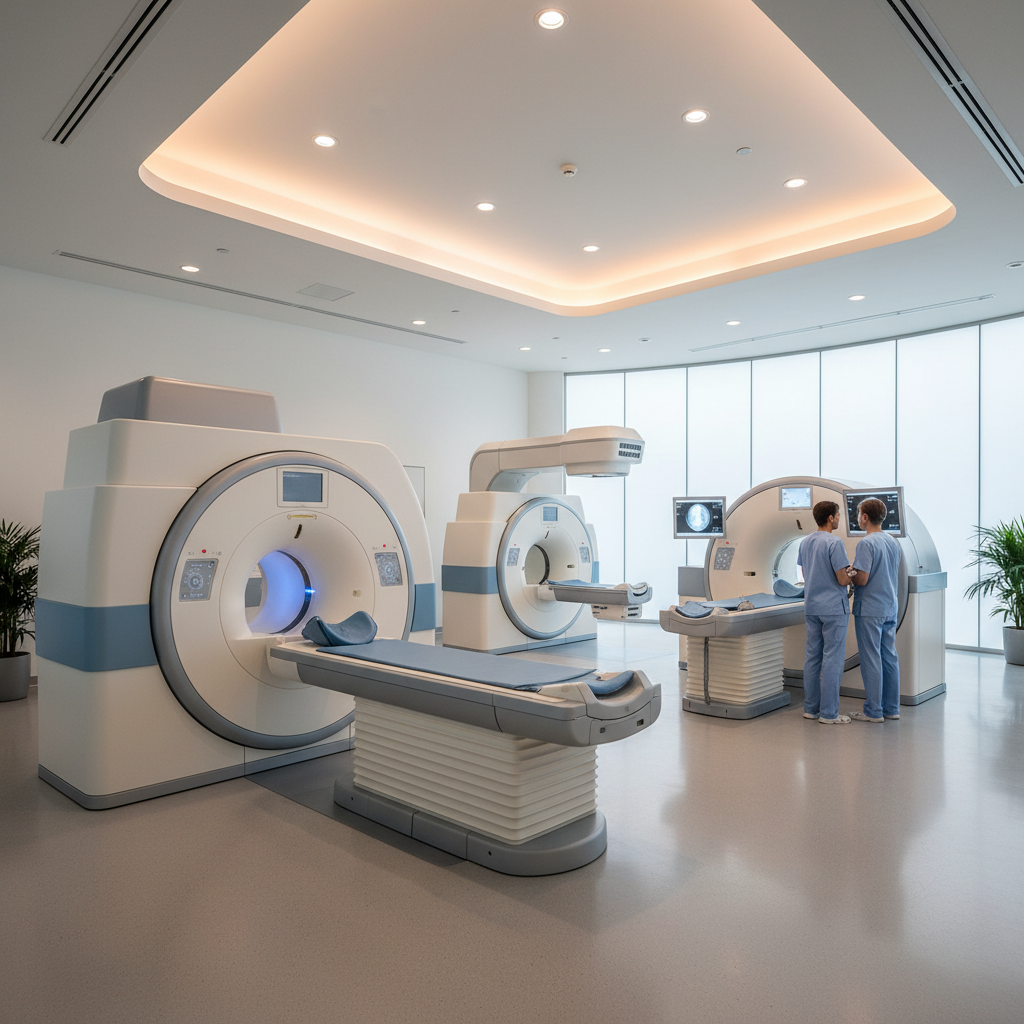
Typical imaging turnaround
12+
Cancer types staged here
100%
Pathology reviewed in-house
The word
"stage" explained
Staging tells us how much the cancer has grown and whether it has spread. We say the number plainly because uncertainty is harder to live with than a clear answer. Here's what each stage actually means in plain language.
Localized. Treatment options are broadest here.
Regional spread. Combination approaches are common.
Distant spread. Meaningful treatment still exists.
"Does a higher stage mean there's nothing to do?"
No. Stage IV means the cancer has traveled, not that treatment has run out. Many stage IV patients receive treatment aimed at long-term control, and some achieve remission. We will tell you exactly what the data shows for your specific cancer type.
Nurse navigator available now
Speak with someone in under 2 minutes
Nothing
decided alone
Treatment planning at OncologyCare is a structured process that takes 2–3 weeks. Every day of that time is working for you — not waiting.
"Can I keep working during treatment?"
For many treatment types, yes — particularly in early phases. Your care coordinator builds a schedule around your work and family commitments wherever medically possible. We will be honest when that isn't feasible.
Nurse navigator available now
Speak with someone in under 2 minutes
Multidisciplinary Tumor Board
Week 1Your case is reviewed by a team of 6–12 specialists — oncologists, radiologists, surgeons, pathologists — before any plan is finalized. Most patients never see this room; it works for them anyway.
Genomic & Biomarker Testing
Week 1–2We test your tumor's molecular profile to identify targeted therapies that standard protocols might miss. Results take 10–14 days. They often change the treatment recommendation.
Treatment Options Presented
Week 2Your oncologist walks through every viable option — not just the one they recommend. You hear the reasoning, the side effect profile, and what the clinical data says about each path.
Your Decision, Supported
Week 2–3We don't rush consent. A patient advocate sits with you after the oncologist leaves. Questions you forgot to ask get answered. You sign when you're ready.
The infusion
room is quiet
Our infusion chairs face garden windows. The room holds twelve chairs, not forty. There is no overhead announcement system. Your nurse knows your name before you sit down.
Nurse navigator available now
Speak with someone in under 2 minutes

"Will I lose my hair?"
It depends entirely on which chemotherapy agents are used. Some cause complete hair loss; others cause thinning; some cause none. Your oncologist will tell you specifically what to expect before your first infusion — not after.
"What does my family need to know?"
We offer a family briefing session — 30 minutes with your oncologist and a social worker — where the people closest to you can ask questions directly. Many families find this more useful than any pamphlet.
"What happens if I feel too sick to come in?"
You call your care coordinator's direct line. We assess remotely. If it's a side effect that can be managed at home, we guide you through it. If you need to come in, we make space the same day.
After
treatment ends
Completing treatment is not the end of care — it's the beginning of a different kind. We help you decide how closely to monitor, how far apart to space your scans, and how to rebuild life around a body that's been through something significant.
Surveillance Protocol
A written schedule of follow-up scans and labs, built around your cancer type and treatment history.
Late Effects Monitoring
Some treatments affect the heart, nerves, or hormones months after completion. We track these proactively.
Psychological Support
A licensed oncology social worker is part of your survivorship team. Not an optional referral — built in.
Transition to Primary Care
When surveillance spacing allows, we coordinate a formal handoff to your primary care physician with a complete summary.
"I want to stop thinking about cancer. Is that okay?"
Yes. And we'll tell you honestly when surveillance spacing makes that realistic. Some patients reach a point where annual check-ins are sufficient. We work toward that with you, not against it.
Nurse navigator available now
Speak with someone in under 2 minutes

"They told me the exact scan schedule for the next three years. I printed it out and put it on the fridge. For the first time, I could see the road instead of just standing in the dark."
Margaret O.
Breast cancer survivor, 4 years post-treatment
Your Care Team
The people
you'll work with
Every patient is matched to an oncologist based on cancer type, treatment history, and communication style. You meet them before any plan is proposed.

Dr. Priya Nair
Medical Oncologist
Breast & Gynecologic Cancers
MD, Johns Hopkins · 18 yrs
"I believe the best treatment plan is the one a patient fully understands. I draw the timeline on paper at every first appointment."

Dr. James Okonkwo
Hematologic Oncologist
Lymphoma, Leukemia & Myeloma
MD PhD, Mayo Clinic · 14 yrs
"Blood cancers are complex. My job is to make the complexity disappear for the patient and reappear only where it matters — in the treatment plan."

Dr. Rachel Sorensen
Thoracic Oncologist
Lung & Esophageal Cancers
MD, Stanford · 11 yrs
"Every lung cancer is genetically distinct. I won't recommend a protocol until the molecular report is back. The right treatment is worth waiting two weeks for."
Not sure which specialist fits your case? Complete the intake form and we'll match you.
Find My Care Team